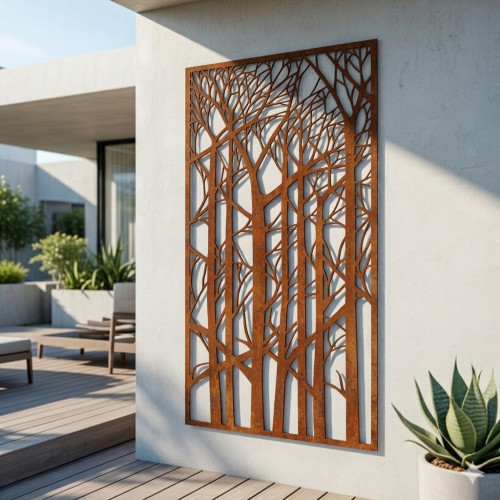
 Garden
 Japanese
 Monograms
 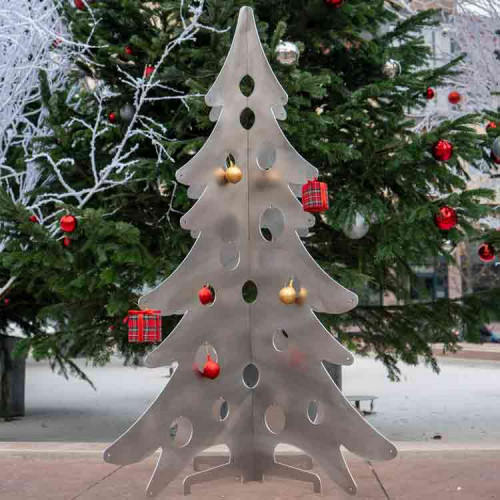 Metal Christmas tree
  Manhole
 Stair
Stair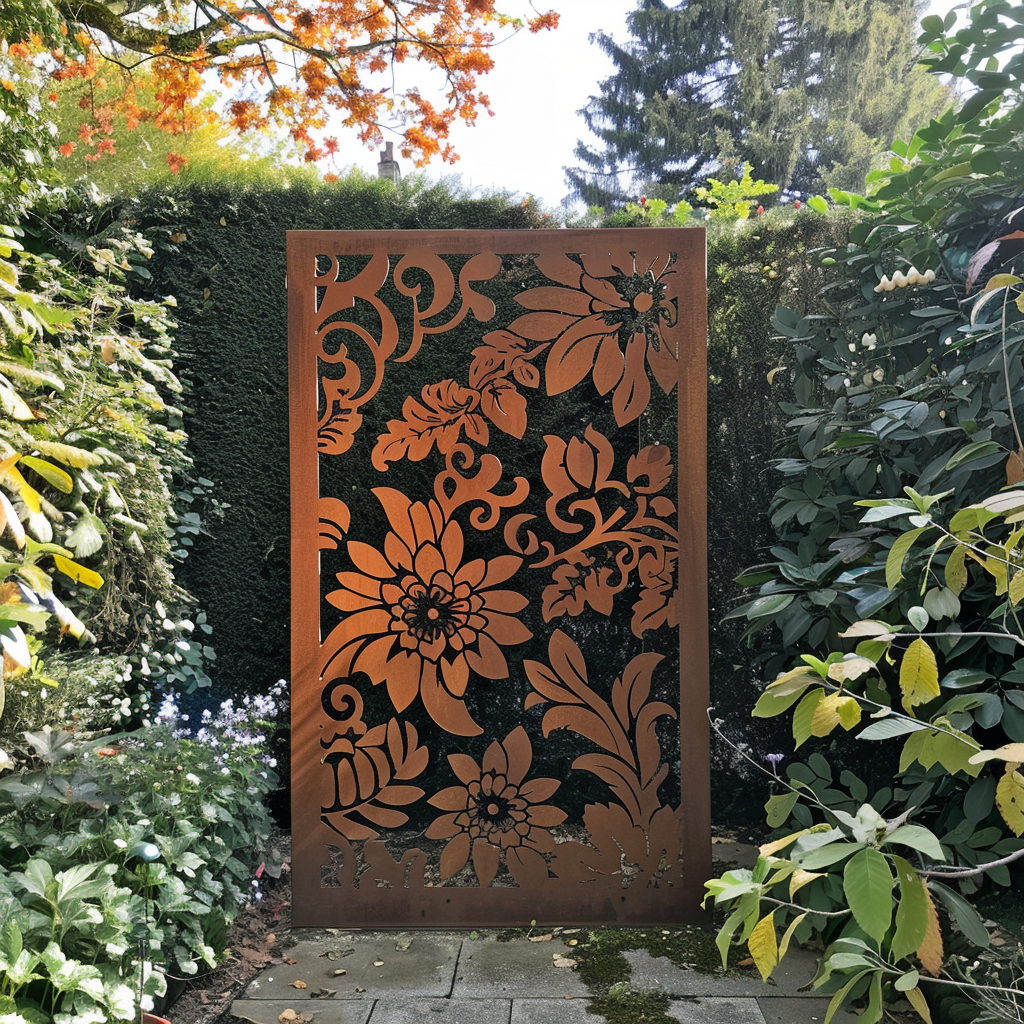

 Wall
Wall Custom
 Christmas
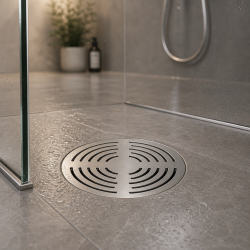 Shower
 Door
Door Metal
Metal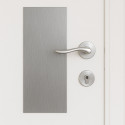 Door
Door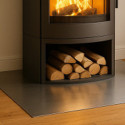 Floor
Floor
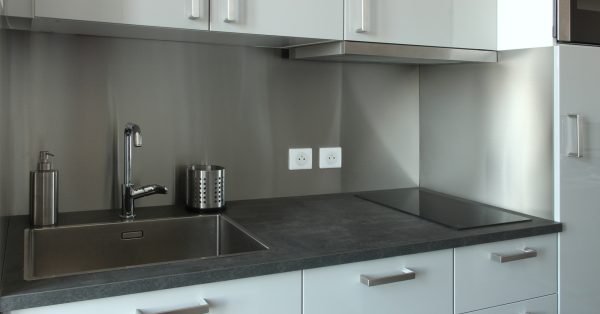
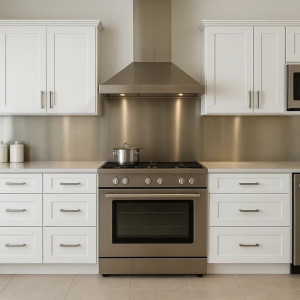 Custom-made stainless-steel kitchen splashback
 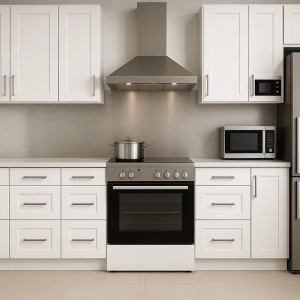 Custom-made aluminium kitchen splashback
 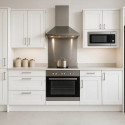 Custom-made stainless-steel cooker hood splashback
 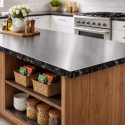 Flat cladding for a made-to-measure brushed stainless-steel worktop
 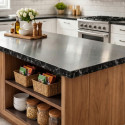 Flat cladding for a made-to-measure raw stainless-steel worktop
 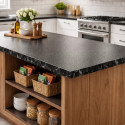 Flat cladding for a made-to-measure leather-textured stainless-steel worktop
 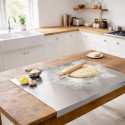 Stainless-steel pastry board with fold
 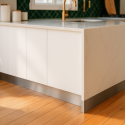 Made-to-measure brushed aluminium kitchen plinth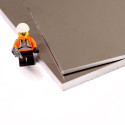
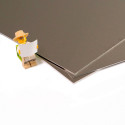
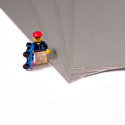
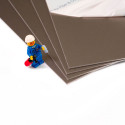
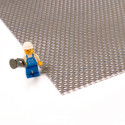
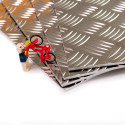
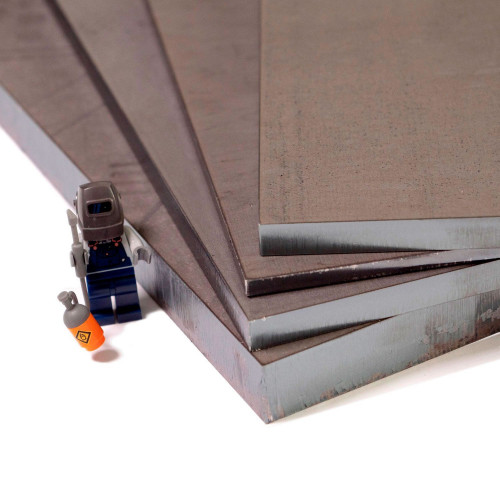
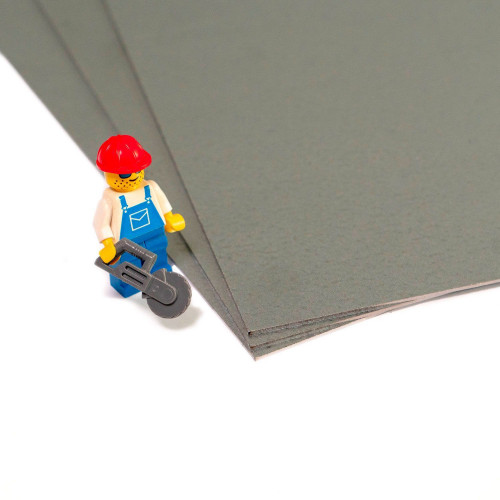
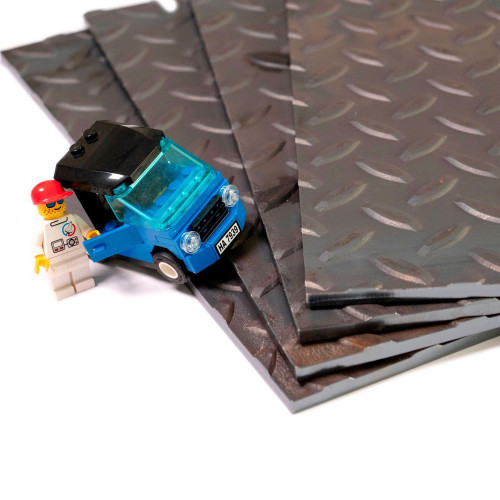

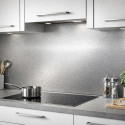

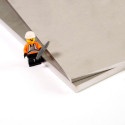
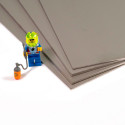
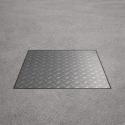
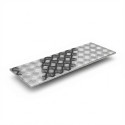 flat section in stainless steel, tread plate custom-made
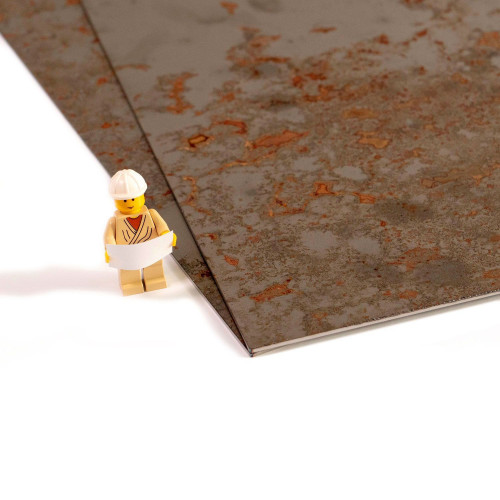
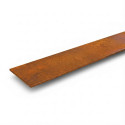 flat section in Corten steel custom-made
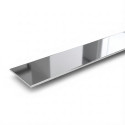 flat section in stainless steel, mirror finish custom-made
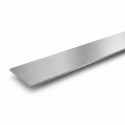 flat section in stainless steel, brushed
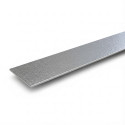 flat section in stainless steel, leather-textured
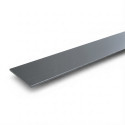 flat section in aluminium, anodised
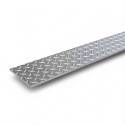 flat section in aluminium, tread plate custom-made
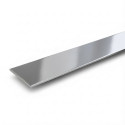 flat section in stainless steel, raw and bright
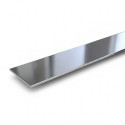 flat section in stainless steel, magnetic
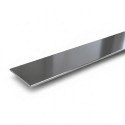 flat section in marine-grade stainless steel, raw and bright
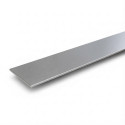 flat section in stainless steel, raw
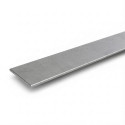 flat section in marine-grade stainless steel, raw
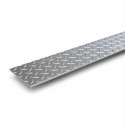 flat section in steel, tread plate
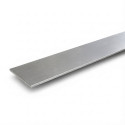 flat section in aluminium, raw
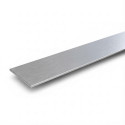 flat section in aluminium, brushed, anti-fingerprint
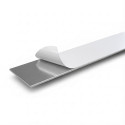 flat section in aluminium, raw, film-coated
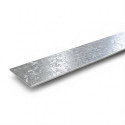 flat section in galvanised steel custom-made
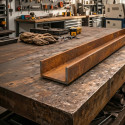 U-profile in Corten steel custom-made
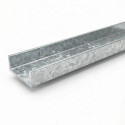 U-profile in galvanised steel custom-made
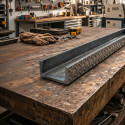 U-profile in steel, tread plate
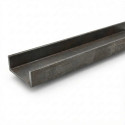 U-profile in steel, raw custom-made
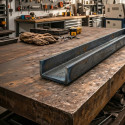 U-profile in steel, raw
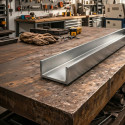 U-profile in stainless steel, brushed custom-made
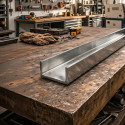 U-profile in stainless steel, raw and bright custom-made
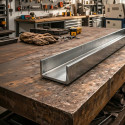 U-profile in stainless steel, magnetic custom-made
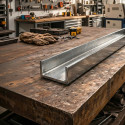 U-profile in marine-grade stainless steel, raw and bright custom-made
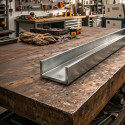 U-profile in stainless steel, raw custom-made
 U-profile in marine-grade stainless steel, raw custom-made
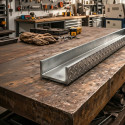 U-profile in stainless steel, tread plate custom-made
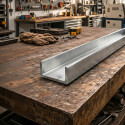 U-profile in aluminium, raw custom-made
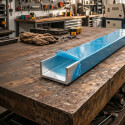 U-profile in aluminium, raw, film-coated custom-made
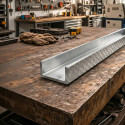 U-profile in aluminium, tread plate custom-made
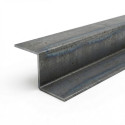 Z-profile in steel, raw
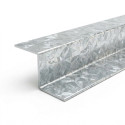 Z-profile in galvanised steel custom-made
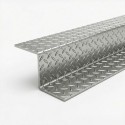 Z-profile in steel, tread plate
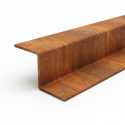 Z-profile in Corten steel custom-made
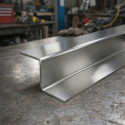 Z-profile in stainless steel, brushed custom-made
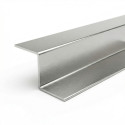 Z-profile in stainless steel, raw and bright custom-made
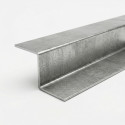 Z-profile in stainless steel, magnetic
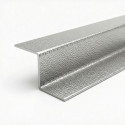 Z-profile in stainless steel, leather-textured custom-made
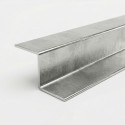 Z-profile in marine-grade stainless steel, raw and bright custom-made
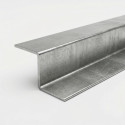 Z-profile in stainless steel, raw custom-made
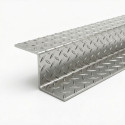 Z-profile in stainless steel, tread plate custom-made
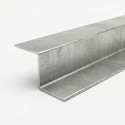 Z-profile in aluminium, raw custom-made
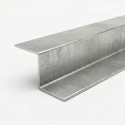 Z-profile in aluminium, raw, film-coated custom-made
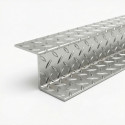 Z-profile in aluminium, tread plate custom-made
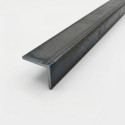 L-profile in steel, raw custom-made
 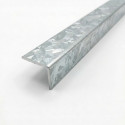 L-profile in galvanised steel
 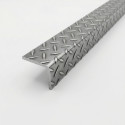 L-profile in steel, tread plate
 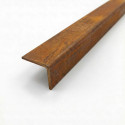 L-profile in Corten steel custom-made
 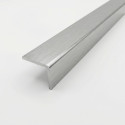 L-profile in stainless steel, brushed custom-made
 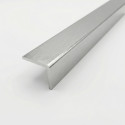 L-profile in marine-grade stainless steel, raw and bright custom-made
 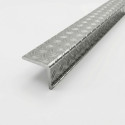 L-profile in stainless steel, tread plate custom-made
 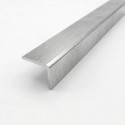 L-profile in aluminium, raw custom-made
 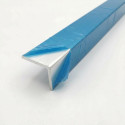 Custom-made film-coated raw aluminium L-profile
 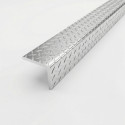 Custom-made aluminium chequer plate L-profile
 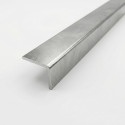 Magnetic stainless-steel L-profile
 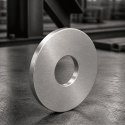 Brushed
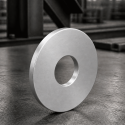 Brushed
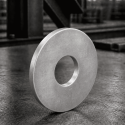 Chequer plate
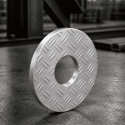 Chequer plate
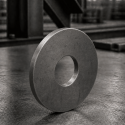 Brushed
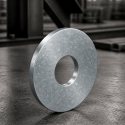 Galvanised





⚜️ The perforated shelf for flawless organization: ⚜️ The triangle shelf for a unique style: Laying out a kitchen is...
Search in blog
Blog categories
Latest posts

Making a Spice Shelf
Read more
Wood use classes: what are they?
Read more
Our TOP 4 wood panel use classes Class 1: Dry wood But what exactly are these Class 1 woods? Class 2: Dry wood, but...
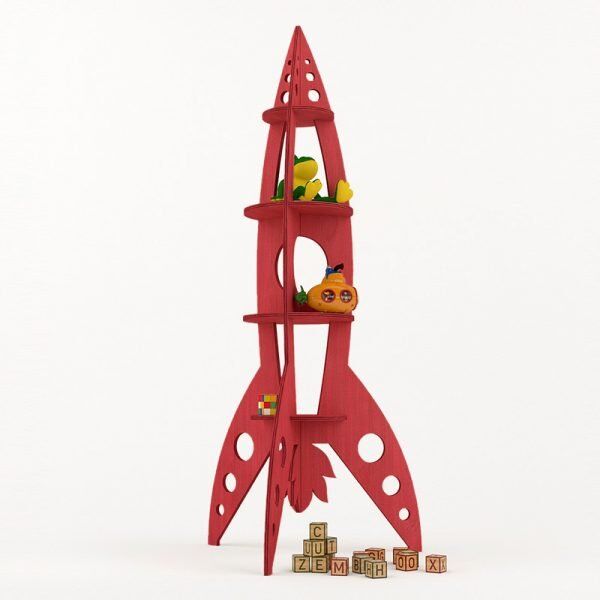
Original and durable rocket: a custom-made wooden bookshelf for kids!
Read more
The wooden rocket bookshelf A wooden bookshelf that is easy to assemble Ergonomics and safety Its playful and...
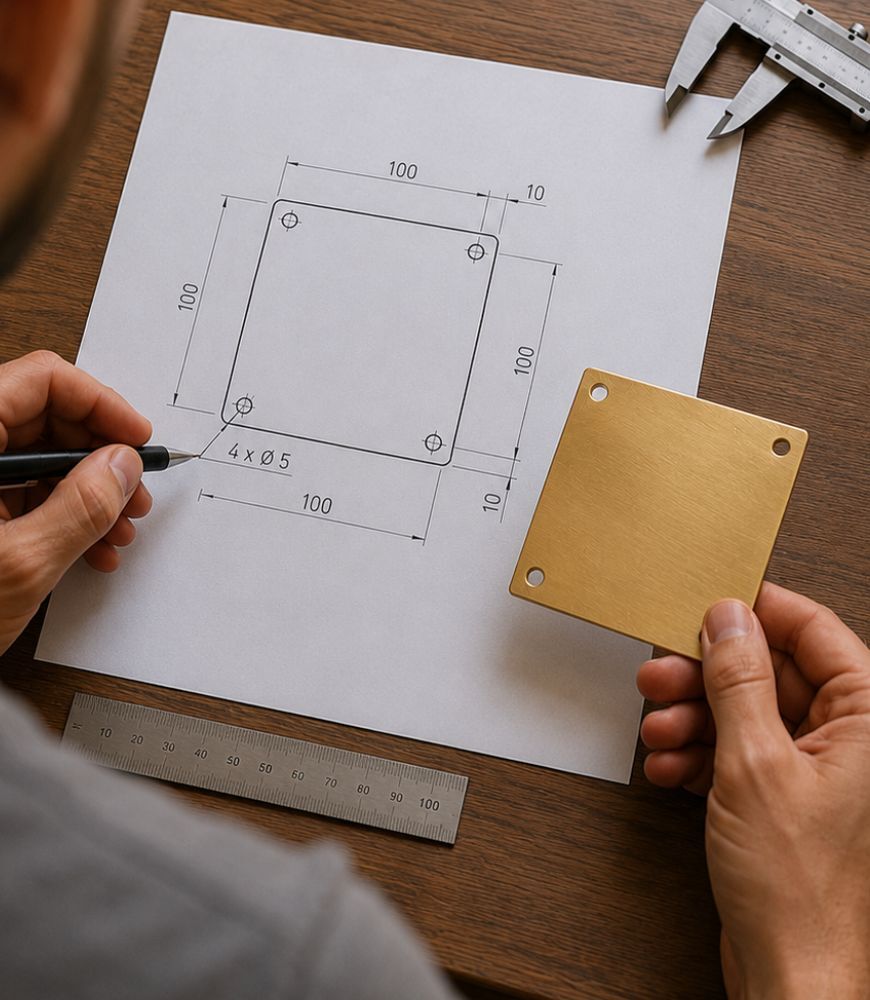
Winter Sales at John Steel!
Read more
Hello Steelsters and budding DIY enthusiasts!! 🤘 Winter Sales 2022 kicked off this Wednesday, January 12th! 🥳 That's...

Woodworking project ideas to do with your kids!
Read more
🪓 Some woodworking projects to delight your kids! A birdhouse A playhouse A vegetable garden A coat rack 👷 The...
Popular posts

How to drill wood like a pro?
🧰 The right tools for drilling wood! 🧰 Drill your wood with the right technique! It's time to drill into wood! Move...
Read more
How to age a wood panel?
🖌 Can all woods be aged? It all depends on the type of wood. Depending on the condition of your wood board. 🖌 What is...
Read more
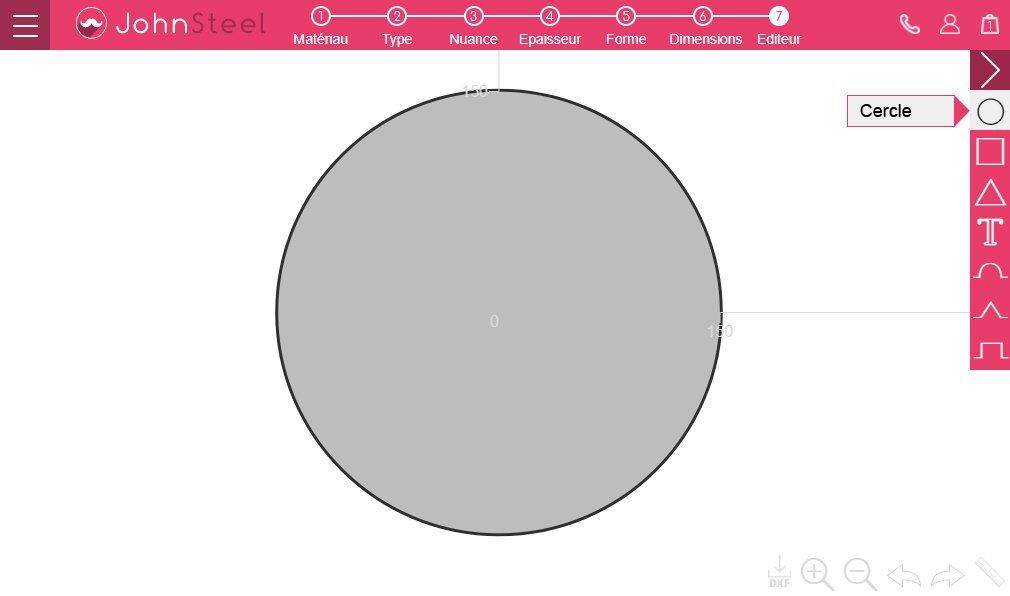
How to make a hole in the middle of a circular piece
A round hole in the middle of my circle. A square hole in the center of a circle. Our powerful custom online cutting...
Read more
Woodworking project ideas to do with your kids!
🪓 Some woodworking projects to delight your kids! A birdhouse A playhouse A vegetable garden A coat rack 👷 The...
Read more
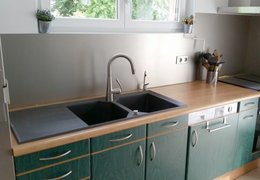
How to clean an aluminium splashback?
⚙️ 7 simple techniques to clean your aluminium splashback. For easy-to-clean stains: 1. Soapy water 2. Water and...
Read more
Featured posts
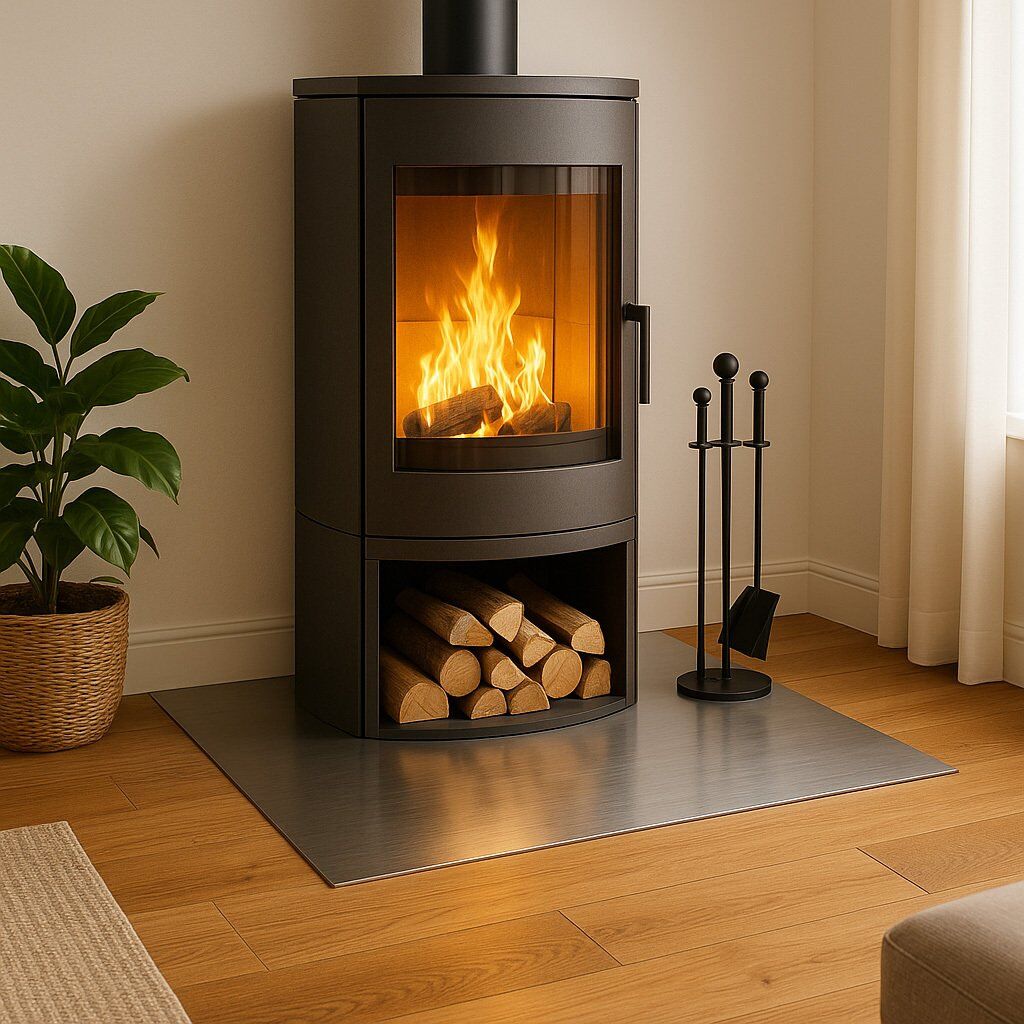
How to Choose and Install a Floor Protection Plate for a Stove or Fireplace?
Why protect your floor? Which material to choose? ✅ Benefits of brushed stainless steel: 📏 What dimensions to choose?...
Read more

All you need to know about making a metal railing
The exterior railing | Galvanized steel | Corten steel | The interior railing | How to make a custom railing online?...
Read more

Anodised aluminium, the ideal material for your interior!
🔨 The characteristics of anodised aluminium 🔨 How to decorate your interior with anodised aluminium? Anodised...
Read more
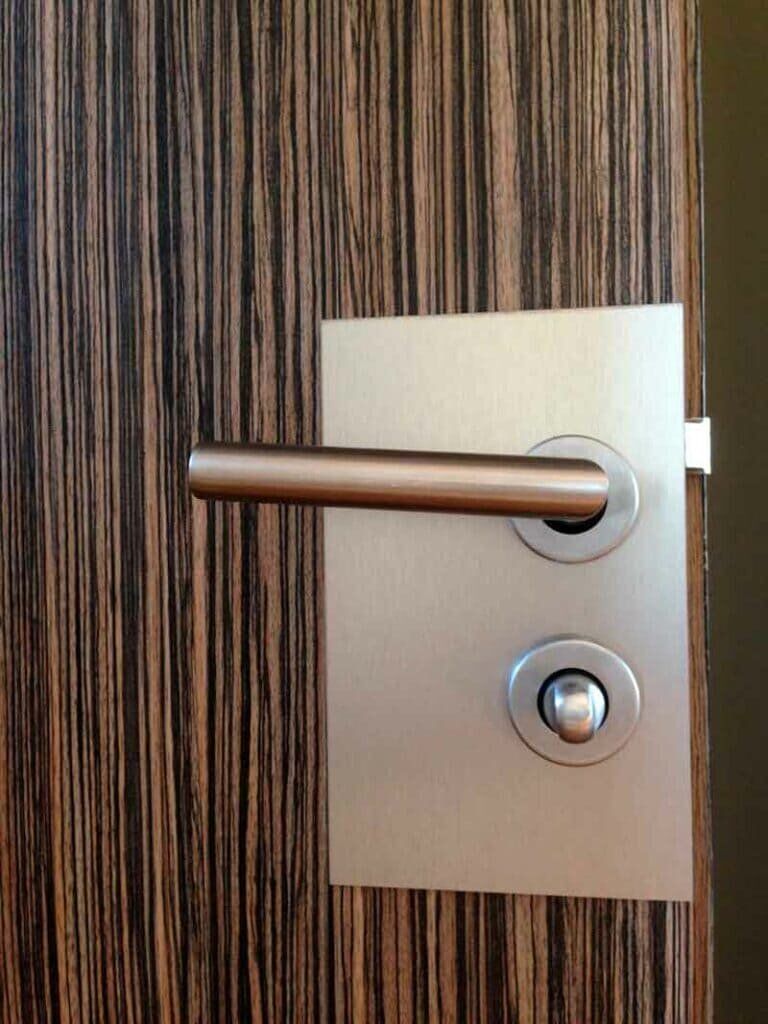
Creating custom metal covers
Where Brigitte gives us tips for creating custom metal covers, for light fixtures or taps, and for hiding visible holes.
Read more

What is food-grade stainless steel used for?
Stainless steel, what exactly is it? 🧐 #WhatIsIt 📢 Steelster tip: How to recognize food-grade stainless steel? The...
Read more

 Start by Cleaning the Stainless Steel Surface!
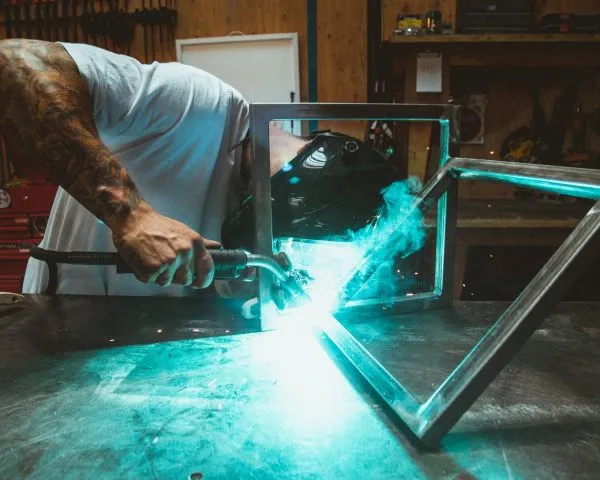
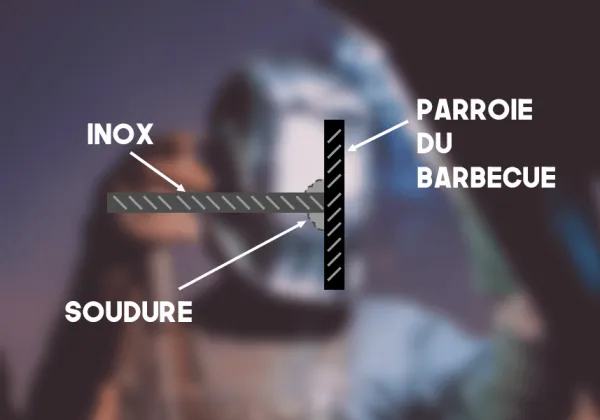
 The 4 Types of Welding for Stainless Steel


Leave a comment
Comments
Il n'est pas précisé que la soudure TIG en ac n'est pas possible pour l'inox, il faut un poste DC. Mais au MiG, c'est pareil? Et en mode hf pulsé au TIG, possible de souder l'inox?
Replied by: John Steel On 2024-09-02