Steel, stainless steel, aluminium: which metal suits your project?
Choosing the right metal material is not a matter of taste: it's a matter of application.
The properties of steel, stainless steel and aluminium differ enough that the right choice can radically change the lifespan, behaviour and performance of your part. Once you know the key characteristics of each, the decision becomes clear and straightforward.
The three essential metals and their key properties
Steel is the reference material for versatile applications. Its high mechanical strength, competitive value for money and ability to accept a wide range of finishes make it the most common choice for structural, protective or cladding components.
Produced from iron and characterised by its carbon content, standard carbon steel is the most widely used metal in construction and industrial manufacturing. Available in a wide range of thicknesses and lengths, it can be hot- or cold-rolled depending on the required mechanical properties, making it suitable for virtually all standard projects:
- Plates and sheets
- Strips and foils
- Bars and flats
- Profiles and tubes
Alloy steels incorporate additional elements — manganese, chromium, vanadium or molybdenum — for specific properties suited to the most demanding applications. Indoors, steel can be used as-is or with a surface treatment. Outdoors, it is galvanised or powder-coated to withstand weather conditions.
Stainless steel — inox — is the metal of choice when corrosion resistance is non-negotiable: humid environments, food-grade use, technical rooms, outdoor spaces without additional treatment.
Resistant to corrosion and mild chemical attack, stainless steel is fully justified by its longevity and the absence of regular maintenance, despite a higher price than carbon steel. Its brushed or mirror finish also makes it a material of choice for high-end decorative applications and contemporary interior architecture.
Aluminium stands out for its exceptional lightness: at equivalent volume, it weighs approximately three times less than steel. A naturally non-ferrous metal, it resists oxidation without additional treatment, making it a preferred material for lightweight outdoor applications, furniture, screens or façade cladding.
It is easier to work with, faster to cut, and its naturally contemporary aesthetic integrates equally well into a design interior or a lightweight construction.
Other metals and alloys exist — copper and copper alloys such as brass and bronze, titanium, zinc, nickel, or precious metals such as gold and silver — but for common technical applications, steel, stainless steel and aluminium cover the vast majority of needs for private individuals, craftspeople and building and decoration professionals.
Why choose a metal product over other materials
Wood, PVC and composite materials all have their uses. But when faced with technical constraints — load, heat, moisture, dimensional precision — metal remains the most reliable material over time. Its durability is not a marketing argument: it is a physical reality.
A correctly chosen and installed steel or aluminium part lasts for decades without deformation, swelling or progressive weakening. Its malleability and ductility also allow it to be given precise shapes by cutting, bending or welding, where other materials fracture or crumble.
Metal's resistance to impact and temperature variations allows it to adapt to environments where other materials would quickly show their limits: workshops, professional kitchens, uncovered outdoor spaces, industrial areas. Metal does not swell with moisture, does not crack in frost, and does not lose its mechanical properties over time.
Its high mechanical strength, thermal conductivity and electrical conductivity make it a trusted component in all sectors where precision and safety are critical. Metals play a central role in global industry — construction, automotive, aerospace, electrical equipment, energy, professional fit-out.
Its longevity also means less replacement, less waste and lower costs over the full lifecycle of the project. And because metal can be cut to a level of precision that no alternative material can match, it is the only one to guarantee exact dimensions to the nearest tenth of a millimetre — a decisive advantage for technical installations, recessed configurations or recurring parts to be reproduced identically.
Key points about metal as a material:
- Superior mechanical and thermal resistance compared to alternative materials in demanding environments.
- Custom cutting with guaranteed precision — a level of accuracy unachievable with wood or PVC.
- Industrial or contemporary aesthetic available in several finishes depending on the material and application.
Steel, stainless steel, aluminium: comparison table
To quickly identify the right material for your project, here are the key criteria side by side. If your application involves specific constraints, the John Steel configurator will guide you to the right material and thickness before you order.
| Metal |
Relative price |
Strength |
Main use |
Weight |
| Steel |
€ |
High |
Structure, protection, versatile indoor and treated outdoor use |
Heavy |
| Stainless steel |
€€€ |
Very high + anti-corrosion |
Food-grade, decorative, outdoor without treatment |
Heavy |
| Aluminium |
€€ |
Good (lightweight structure) |
Outdoor, furniture, architecture, lightweight construction |
Light |
Metal products: applications by project type
A metal is never an abstract product: it is a response to a specific project. Kitchen splashback, exterior cladding, decorative screen or structural plate — each application calls for a specific material, thickness and finish.
Here is how John Steel products address the most common technical applications, from skilled DIY to professional construction projects.
Indoor applications: splashbacks, wall protection, decorative elements
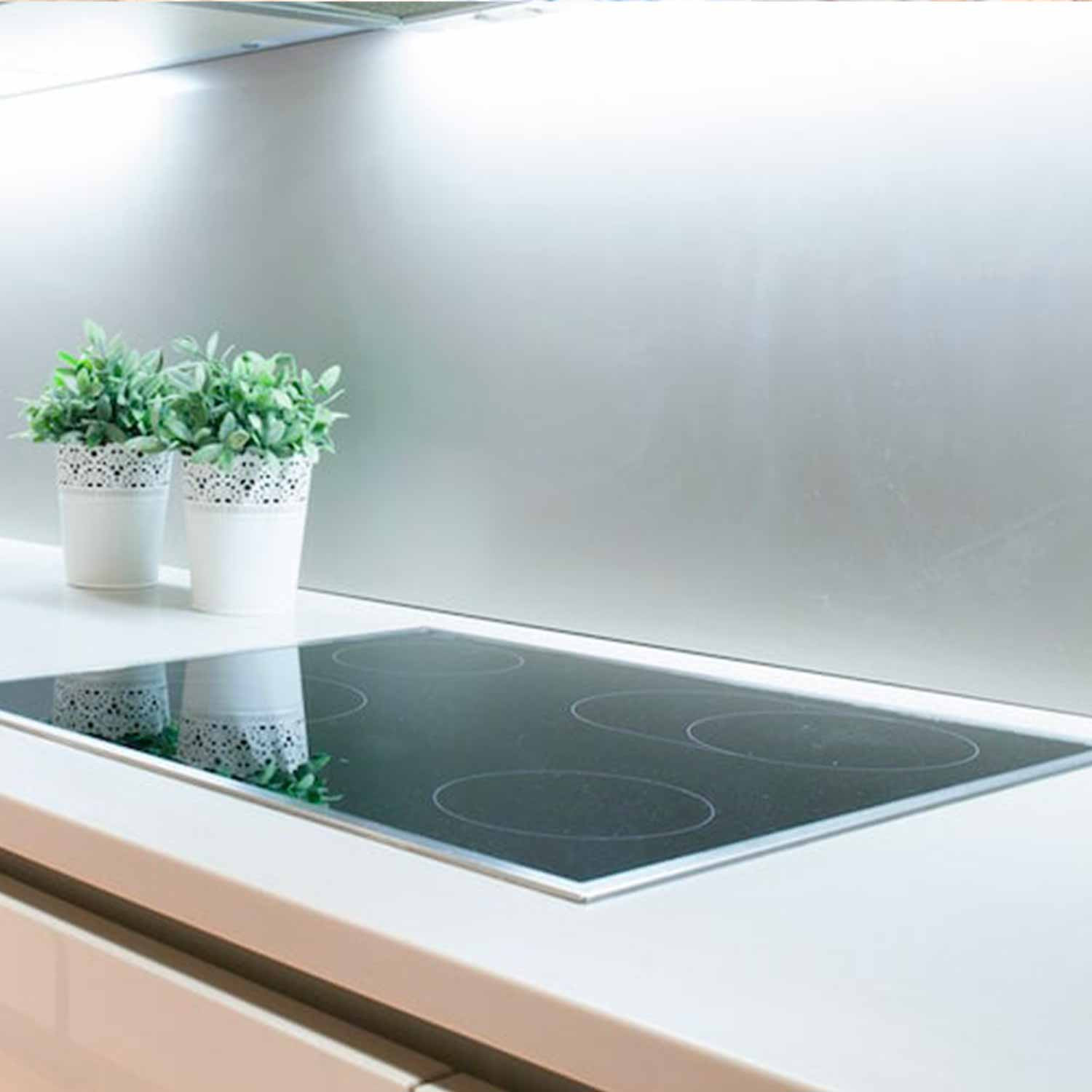
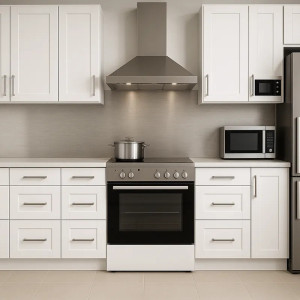
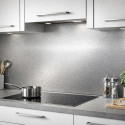
Indoors, metal meets both functional and aesthetic needs. Stainless steel sheet is the reference material for kitchen splashbacks: it resists heat, grease and water splashes, is easy to clean with a damp cloth, and brings a contemporary aesthetic that ceramic or painted glass coverings struggle to replicate over time.
For a tighter budget, treated or painted steel offers a solid alternative, available in several colours and surface treatments.
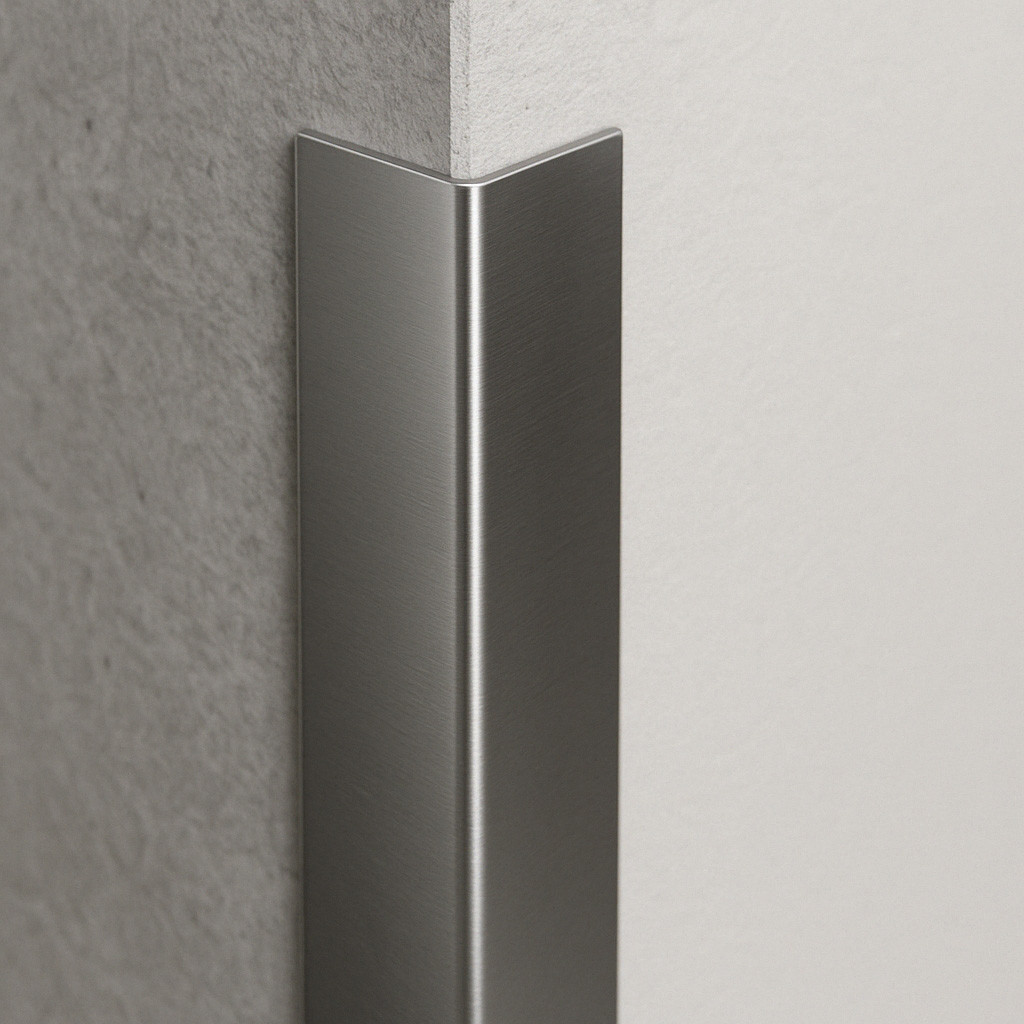
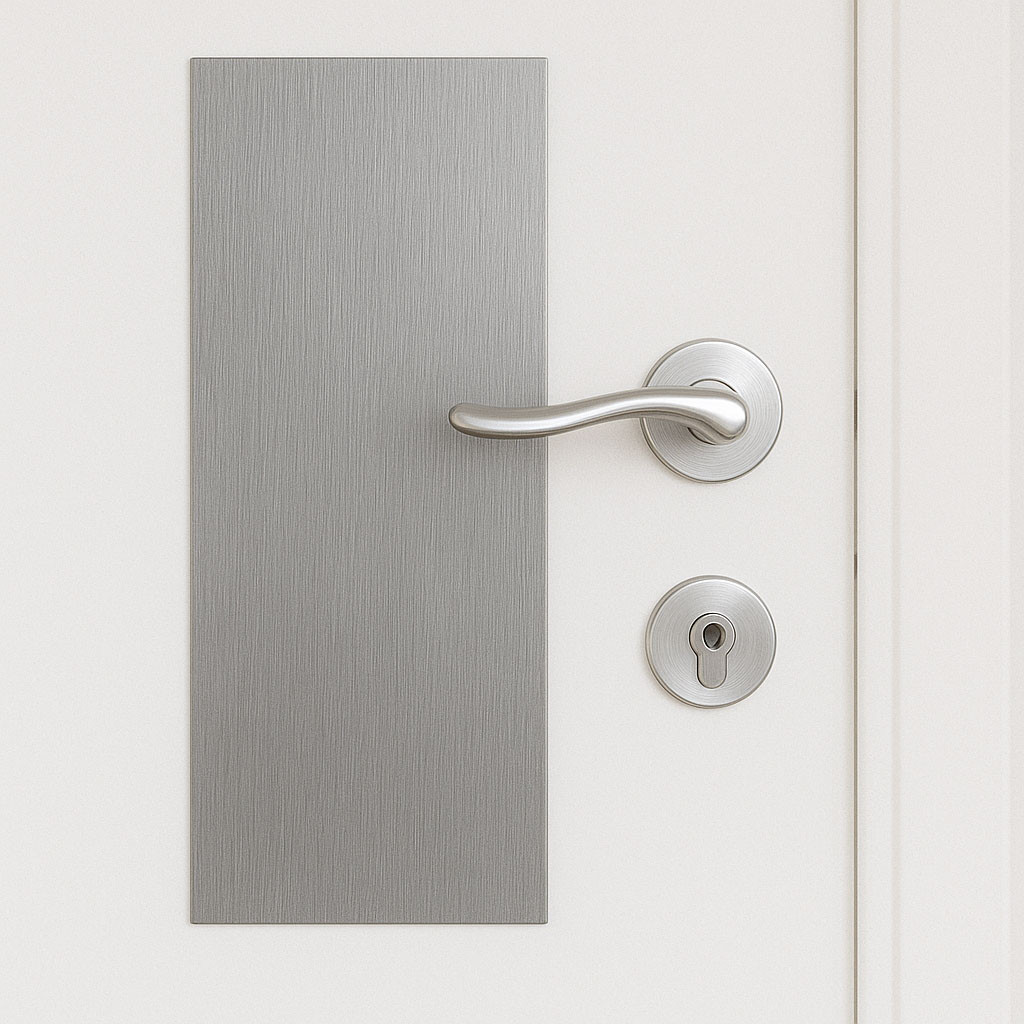
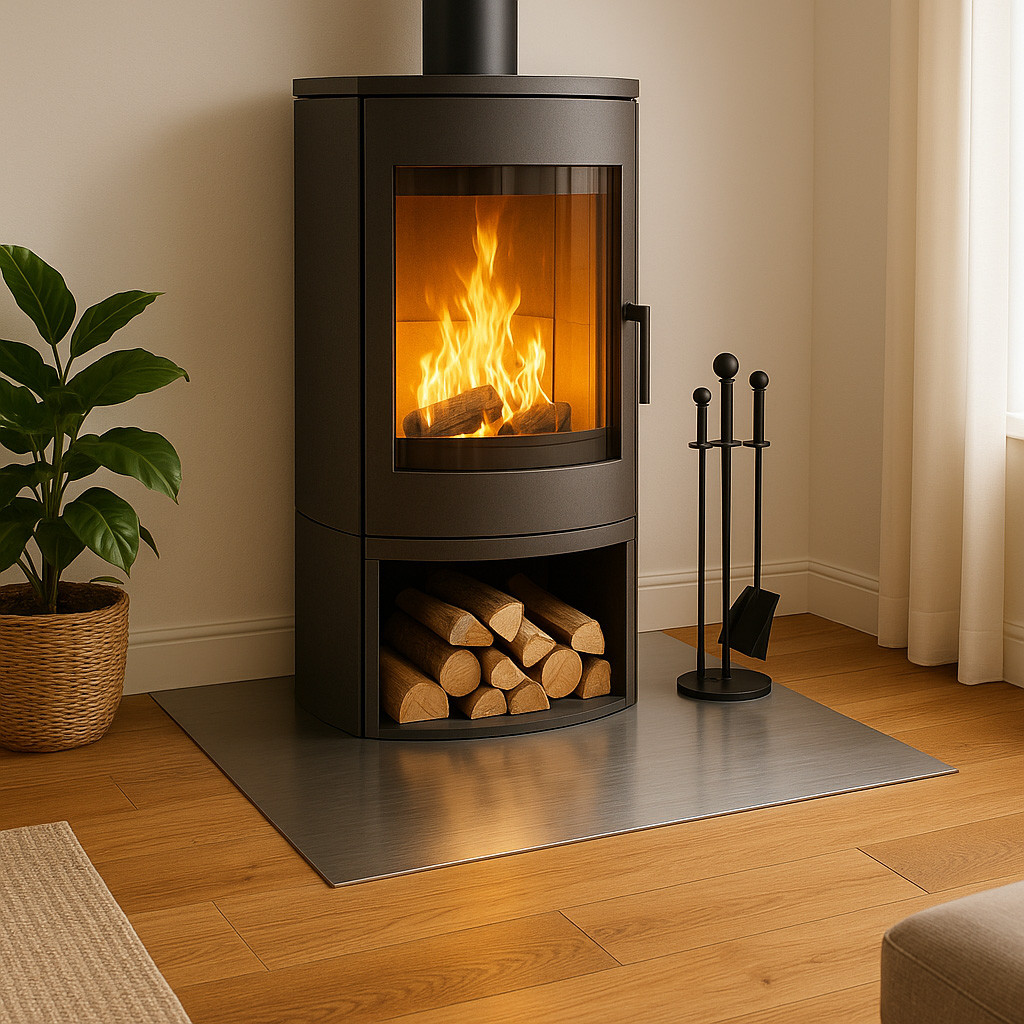
Wall protection panels — behind a wood-burning stove, at the foot of a staircase, in a workshop or technical room — follow the same logic: a custom-ordered metal plate fits without approximate on-site cutting, without unnecessary offcuts, without last-minute adjustments. The precision of the online order advantageously replaces manual cutting, with a dimensionally exact final result.
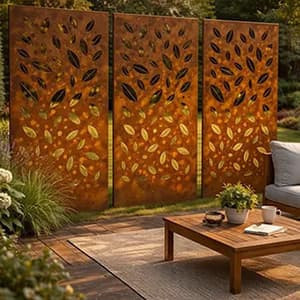
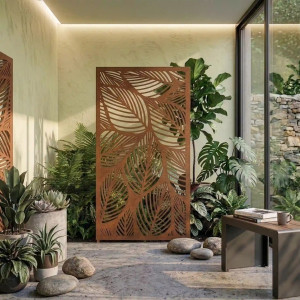
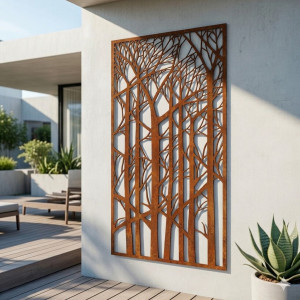
On the interior decoration side, metal panels with cut-out patterns, raw steel plates, wrought iron elements or aluminium inserts in handmade furniture stand out as details that distinguish a crafted interior from a standard one. Several finishes are available depending on the material: raw, brushed, polished, galvanised, powder-coated — all options to combine with existing elements for a coherent result.
Outdoor and structural applications: cladding, base plates, reinforcements
As soon as metal is exposed to the elements or subject to mechanical stress, the choice of material and thickness becomes critical. For cladding, roofing or exterior finishing, aluminium is often preferred for its lightness and natural resistance to water and oxidation, without additional treatment.
Galvanised steel is a robust and economical alternative for applications where rigidity or impact resistance takes priority over the total weight of the structure.
Fixing plates are a use case where cutting precision is directly decisive: a misaligned hole, an inaccurate dimension, and the alignment of an entire structure is compromised from the moment of installation. CNC cutting guarantees exact, reproducible dimensions if you need to order several identical parts for the same project.
For reinforcements and structural elements — secondary beams, stiffeners, brackets, load-bearing supports, stringers — steel remains the reference material. Thickness should be chosen according to the applied loads and the span involved. Lightweight construction and secondary frameworks also benefit from the rigidity of steel at reasonable thicknesses, without unnecessarily adding weight to the overall structure.
Professional projects: interior architecture, fit-out, lightweight construction
For a company, architect, decorator or fit-out specialist, metal is not simply a DIY material: it is a project component, with requirements for precision, repeatability and reliability that online orders did not always meet until now. John Steel, a brand specialising in online custom metal sales, positions itself as a trusted partner, accessible without appointments or prior negotiation.
Aluminium is particularly valued in contemporary interior architecture for screens, stair railings, floor coverings or custom furniture elements. An architectural material par excellence — lightweight, easy to fix and available in several finishes — it adapts to installation constraints in finished spaces without overloading supports. Raw or stainless steel is preferred in environments where an industrial aesthetic is sought: bar counters, interior façade cladding, matte black metal staircases, shop fit-outs.
Advantages of professional online ordering:
Each part is configured to exact dimensions, the order is traceable, and the same reference can be repeated without new on-site measurements. You order exactly what you need, when you need it, with no minimum volume commitment and without going through a network of intermediary retailers.
How to choose and order a metal product online without mistakes
Buying custom metal online is simpler than it seems — provided you know a few rules and how to contact the right supplier at the right time. The wrong material, an undersized thickness or a supplier without a reliable configurator can turn an apparently simple order into a source of costly complications. This section gives you the keys to making the right choice first time, whatever your experience with metal products.
Common mistakes when buying custom metal online
Most purchasing mistakes do not come from a complete lack of knowledge about metal. They come from small confusions that even experienced buyers can make when faced with an online offer that lacks configuration guidance:
- Confusing materials based on actual use. Ordering standard steel for a humid or food-grade environment — where stainless steel is essential — means choosing a part destined to rust within months of installation.
- Undersizing the thickness: a part under load or in a structural bearing role risks deformation in use. A sheet that is too thin bends, vibrates or fails.
- Overlooking the cutting tolerances guaranteed by the supplier before placing an order. A tolerance of ±2 mm is not acceptable for a technical installation requiring half a millimetre.
- Forgetting total weight in the equation, which directly affects logistics, delivery and safe handling on site.
- Choosing a supplier without an online configuration tool, removing the guarantee of dimensional compliance.
5 points to check before placing an order:
- Is the material suited to my application (indoor/outdoor, load, moisture, food contact)?
- Have I checked the recommended thickness for my specific configuration?
- Does my supplier confirm exact dimensions before launching custom manufacturing?
- Have I accounted for total weight for delivery and installation conditions?
- Are the stated lead times compatible with my project or construction schedule?
Criteria for choosing a metal supplier: what really matters
Not all metal suppliers offer the same level of service. The difference is not only about the listed price. Here are the objective criteria that distinguish a producer capable of delivering parts that meet your specifications.
| Criterion |
John Steel |
General supplier |
Traditional workshop |
| Online configurator (free dimensions) |
Yes |
No or limited |
No |
| Price displayed before ordering |
Yes |
Quote on request |
Quote on quote |
| Guaranteed cutting tolerances |
Stated CNC precision |
Varies by range |
Varies by craftsman |
| Lead times communicated before confirmation |
Yes |
Rarely |
To be negotiated |
| After-sales service and order tracking |
Online + direct contact |
Limited |
Direct but local only |
From configuration to delivery: how custom manufacturing works
Ordering a custom metal product from John Steel follows a clear, end-to-end traceable process. Every step of the transformation from raw metal to finished part is designed to eliminate uncertainty between your request and the delivered piece.
It all starts with your online configuration: you enter your exact dimensions, choose your material, thickness and finish. The price is displayed immediately, before any confirmation.
Once the order is confirmed, your dimensions are transmitted directly to the CNC cutting machines. The CNC method guarantees controlled tolerances, reproducible identically if you place several successive orders for the same part. Machining is fully automated from your data, eliminating manual transcription errors. Before dispatch from our warehouses, each part undergoes rigorous quality control.
The manufacturing journey step by step:
Online configuration → Price confirmation → Cutting (and bending) → Quality control → Tracked delivery
 Garden
 Japanese
 Monograms
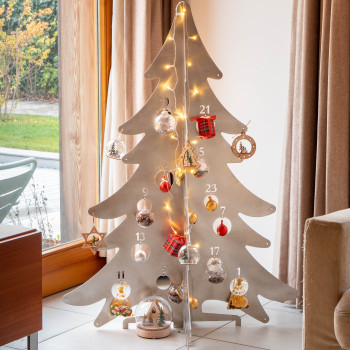
 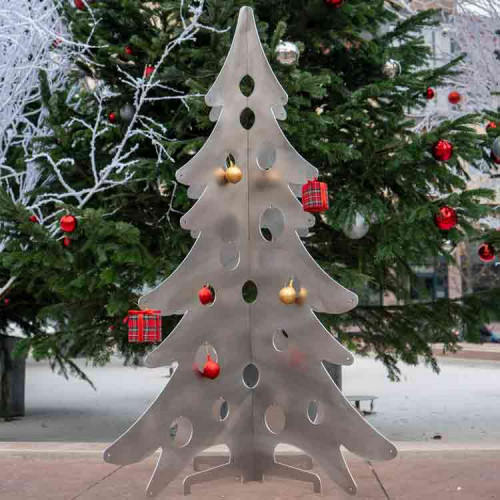 Metal Christmas tree
  Manhole
 Stair
Stair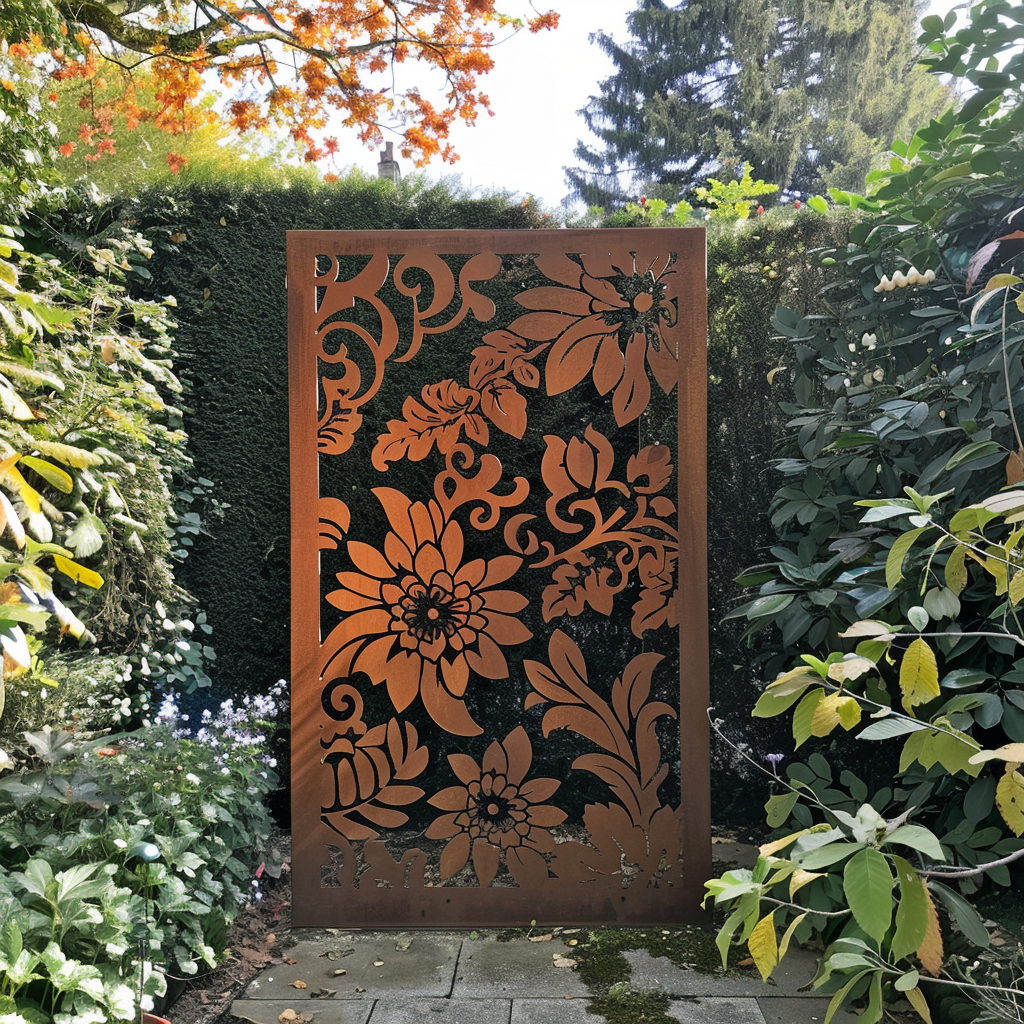

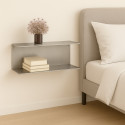 Wall
Wall Custom
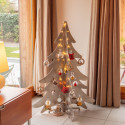 Christmas
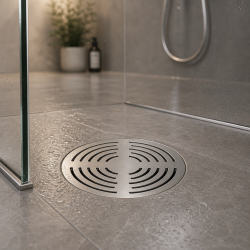 Shower
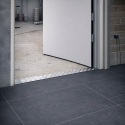 Door
Door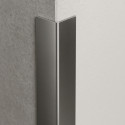 Metal
Metal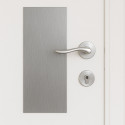 Door
Door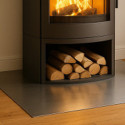 Floor
Floor
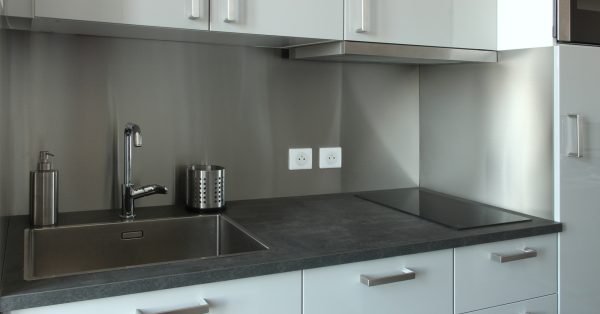
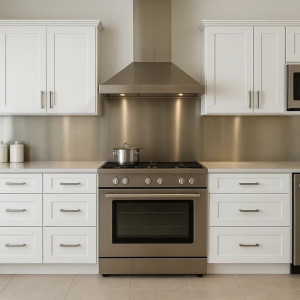 Custom-made stainless-steel kitchen splashback
 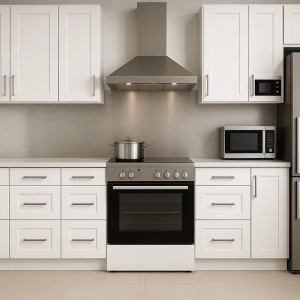 Custom-made aluminium kitchen splashback
  Custom-made stainless-steel cooker hood splashback
 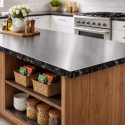 Flat cladding for a made-to-measure brushed stainless-steel worktop
 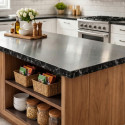 Flat cladding for a made-to-measure raw stainless-steel worktop
 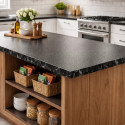 Flat cladding for a made-to-measure leather-textured stainless-steel worktop
 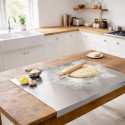 Stainless-steel pastry board with fold
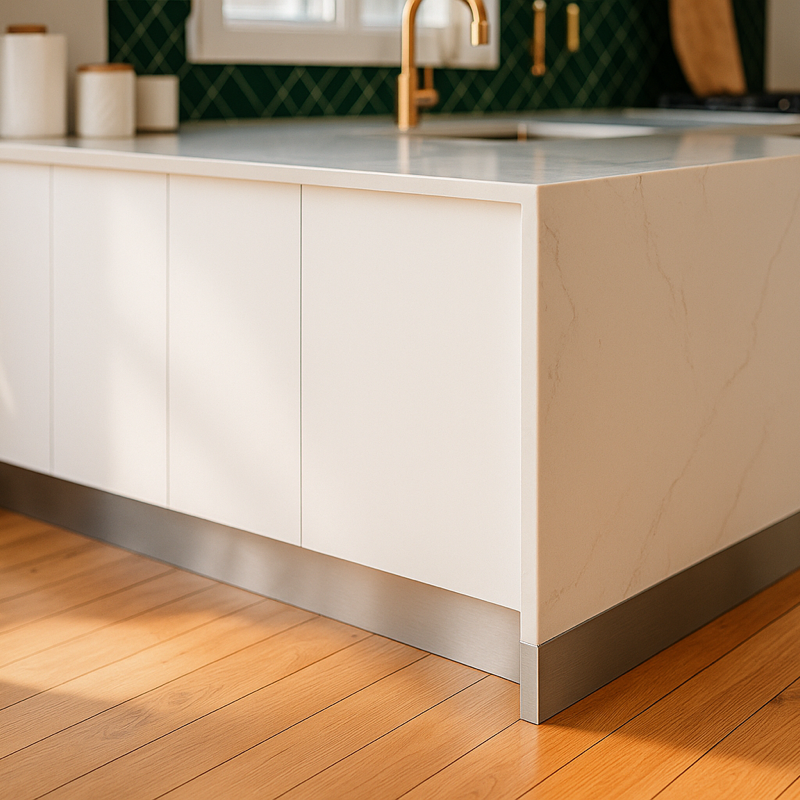
 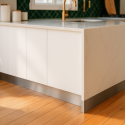 Made-to-measure brushed aluminium kitchen plinth
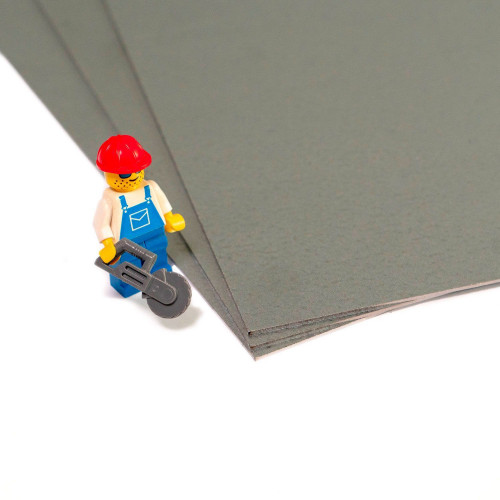
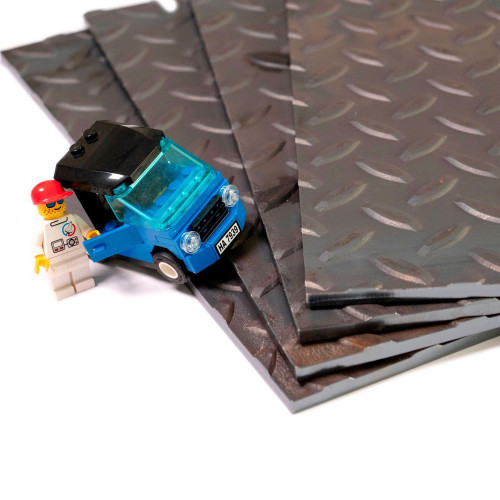
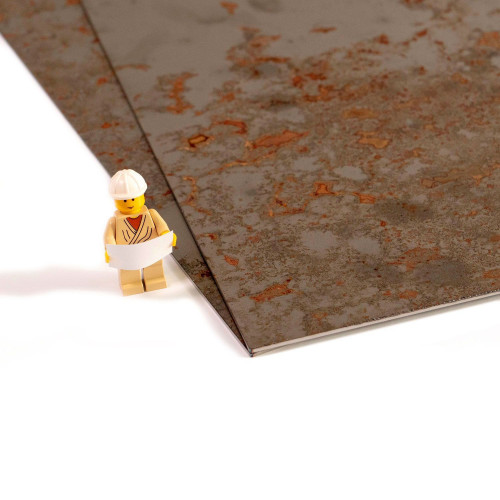
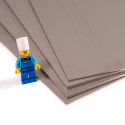
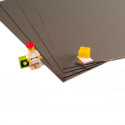
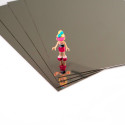
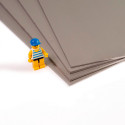
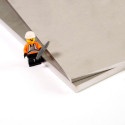
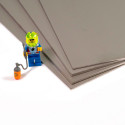
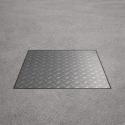
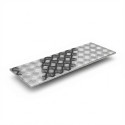 flat section in stainless steel, tread plate custom-made
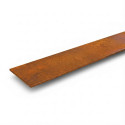 flat section in Corten steel custom-made
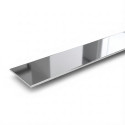 flat section in stainless steel, mirror finish custom-made
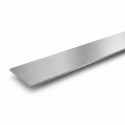 flat section in stainless steel, brushed
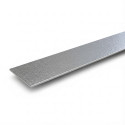 flat section in stainless steel, leather-textured
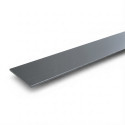 flat section in aluminium, anodised
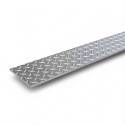 flat section in aluminium, tread plate custom-made
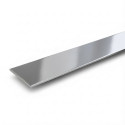 flat section in stainless steel, raw and bright
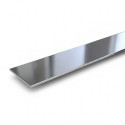 flat section in stainless steel, magnetic
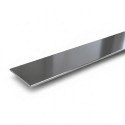 flat section in marine-grade stainless steel, raw and bright
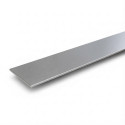 flat section in stainless steel, raw
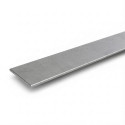 flat section in marine-grade stainless steel, raw
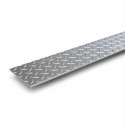 flat section in steel, tread plate
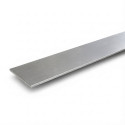 flat section in aluminium, raw
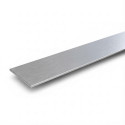 flat section in aluminium, brushed, anti-fingerprint
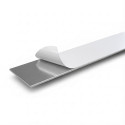 flat section in aluminium, raw, film-coated
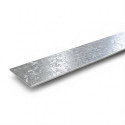 flat section in galvanised steel custom-made
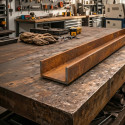 U-profile in Corten steel custom-made
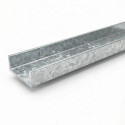 U-profile in galvanised steel custom-made
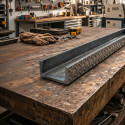 U-profile in steel, tread plate
 U-profile in steel, raw custom-made
 U-profile in steel, raw
 U-profile in stainless steel, brushed custom-made
 U-profile in stainless steel, raw and bright custom-made
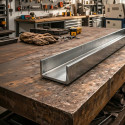 U-profile in stainless steel, magnetic custom-made
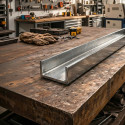 U-profile in marine-grade stainless steel, raw and bright custom-made
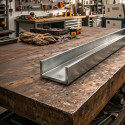 U-profile in stainless steel, raw custom-made
 U-profile in marine-grade stainless steel, raw custom-made
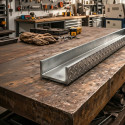 U-profile in stainless steel, tread plate custom-made
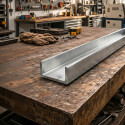 U-profile in aluminium, raw custom-made
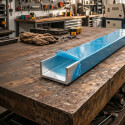 U-profile in aluminium, raw, film-coated custom-made
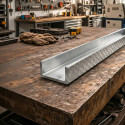 U-profile in aluminium, tread plate custom-made
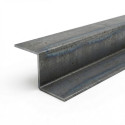 Z-profile in steel, raw
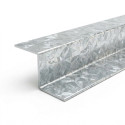 Z-profile in galvanised steel custom-made
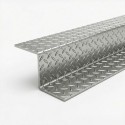 Z-profile in steel, tread plate
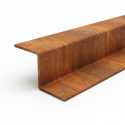 Z-profile in Corten steel custom-made
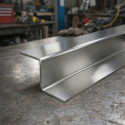 Z-profile in stainless steel, brushed custom-made
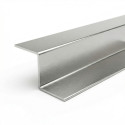 Z-profile in stainless steel, raw and bright custom-made
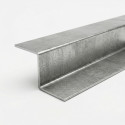 Z-profile in stainless steel, magnetic
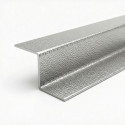 Z-profile in stainless steel, leather-textured custom-made
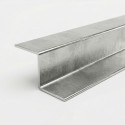 Z-profile in marine-grade stainless steel, raw and bright custom-made
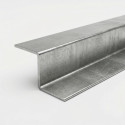 Z-profile in stainless steel, raw custom-made
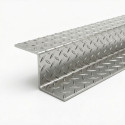 Z-profile in stainless steel, tread plate custom-made
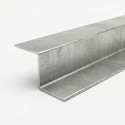 Z-profile in aluminium, raw custom-made
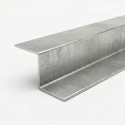 Z-profile in aluminium, raw, film-coated custom-made
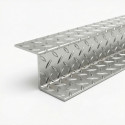 Z-profile in aluminium, tread plate custom-made
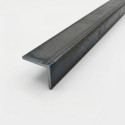 L-profile in steel, raw custom-made
 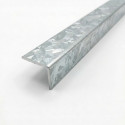 L-profile in galvanised steel
 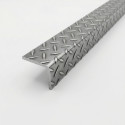 L-profile in steel, tread plate
 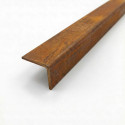 L-profile in Corten steel custom-made
 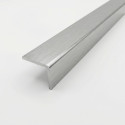 L-profile in stainless steel, brushed custom-made
 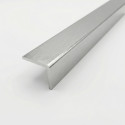 L-profile in marine-grade stainless steel, raw and bright custom-made
 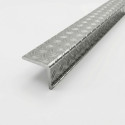 L-profile in stainless steel, tread plate custom-made
 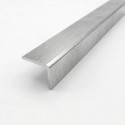 L-profile in aluminium, raw custom-made
 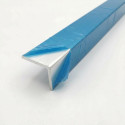 Custom-made film-coated raw aluminium L-profile
 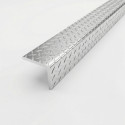 Custom-made aluminium chequer plate L-profile
 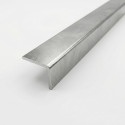 Magnetic stainless-steel L-profile
  Brushed
 Brushed
 Chequer plate
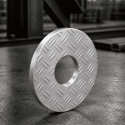 Chequer plate
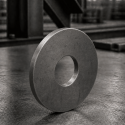 Brushed
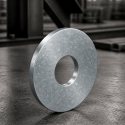 Galvanised